Date Published 08 May 2026
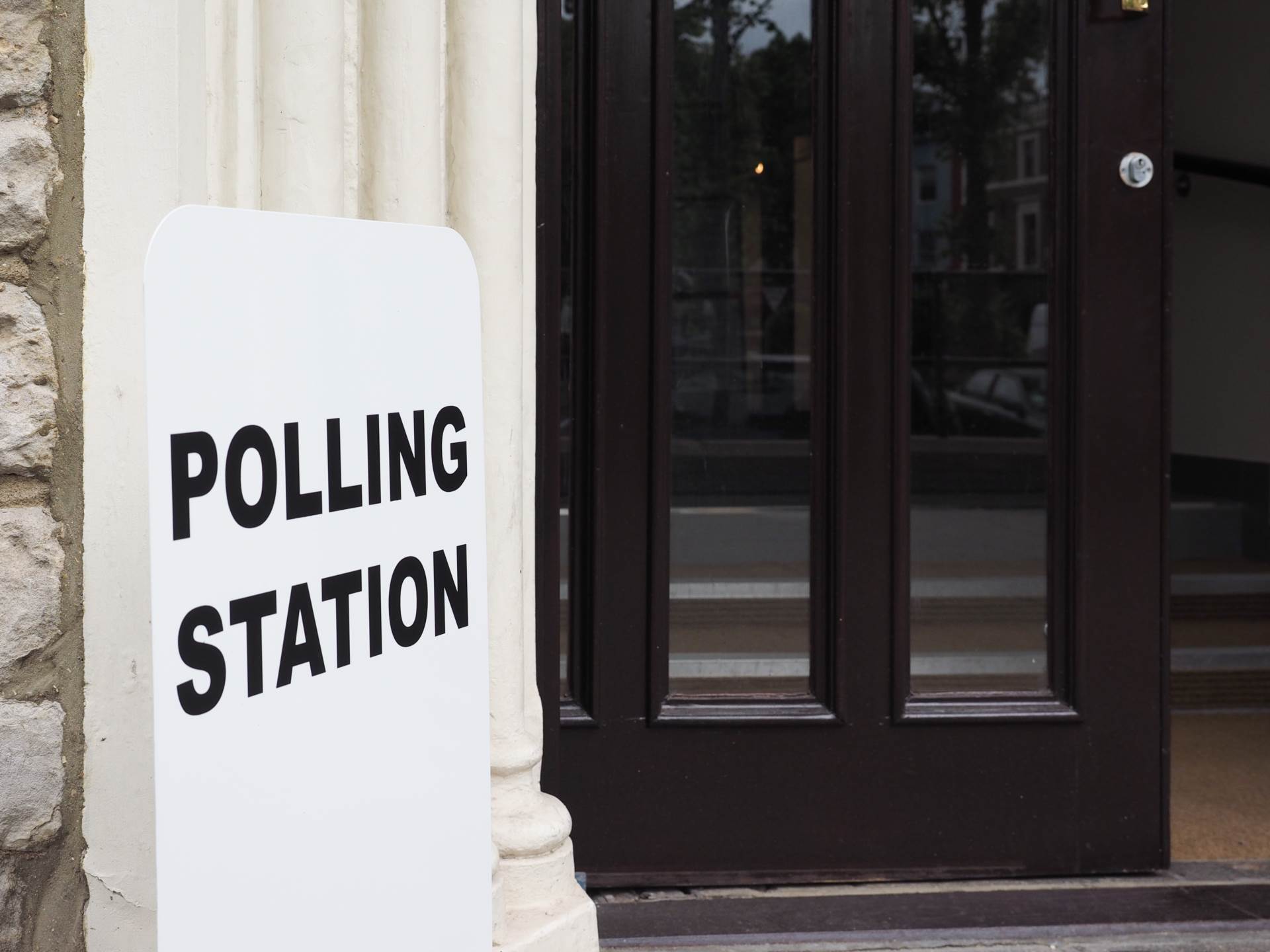
With both Reform UK and the Green Party making expected gains in this week's local elections, many landlords are asking what a stronger presence for these parties in local authorities could mean for the private rented sector. While local councils have limited power over national housing legislation, they can still influence planning policy, licensing schemes, environmental standards and local housing priorities — all of which can affect landlords and property investors.
Reform UK: Pro-Landlord Rhetoric, But Limited Local Powers
Many of Reform UK's headline housing policies are aimed at national government rather than local authorities, meaning council gains alone are unlikely to bring immediate changes for landlords. However, their growing influence could increase political pressure around taxation, regulation and housing supply. At national level, Reform UK has proposed:
• Scrapping Section 24 mortgage interest restrictions, allowing landlords to once again offset finance costs against rental income tax;
• Reversing parts of the Renters' Rights Act;
• Introducing a 'rent-to-buy' model aimed at helping younger people into home ownership;
• Replacing Stamp Duty (and equivalents in Wales and Scotland) with a locally controlled property tax;
• Expanding protections for leaseholders;
• Prioritising local residents in social housing allocations;
• Creating long-term funding partnerships with UK pension funds to deliver council-owned social housing;
• Streamlining planning regulations to accelerate development;
• Increasing brownfield development;
• Supporting Modern Methods of Construction, including modular housing.
For landlords, Reform's message is broadly one of deregulation, lower taxation and increased housing delivery. However, until such policies are adopted nationally, practical impacts at council level are likely to remain limited.
Green Party: Greater Focus on the Private Rental Sector
The Green Party's recent electoral momentum has been driven heavily by younger voters and renters, and housing policy remains central to its platform across England, Scotland and Wales.
Unlike Reform UK, many Green housing priorities could have more direct implications for landlords through local authority action, particularly where councils gain greater control over licensing, environmental standards and rent regulation. Current Green Party housing proposals include:
• A new wealth tax on multi-millionaires and billionaires, designed to raise between £30bn and £70bn annually to fund housing and public services;
• Delivering 150,000 new social homes each year;
• Ending Right to Buy across the UK;
• Giving local authorities powers to introduce local rent controls;
• A nationwide programme of home insulation upgrades and higher EPC standards;
• Requiring solar panels and heat pumps in all new-build homes.
For landlords, the key concerns are likely to centre around rent controls, stricter environmental requirements and the potential cost of future EPC upgrades. At the same time, increased investment in housing supply and energy efficiency could reshape parts of the rental market over the longer term.
Despite strong local election performances, neither party currently has the power to implement sweeping national housing reforms on its own. However, their growing influence reflects shifting voter priorities — particularly around affordability, housing standards and access to home ownership. For landlords, the immediate impact may be modest. But the political direction of travel is becoming clearer: housing policy is moving further up the political agenda, and both regulation and reform are likely to remain central issues in the years ahead.